
Mindfulness for Chronic Pain: What Really Works?
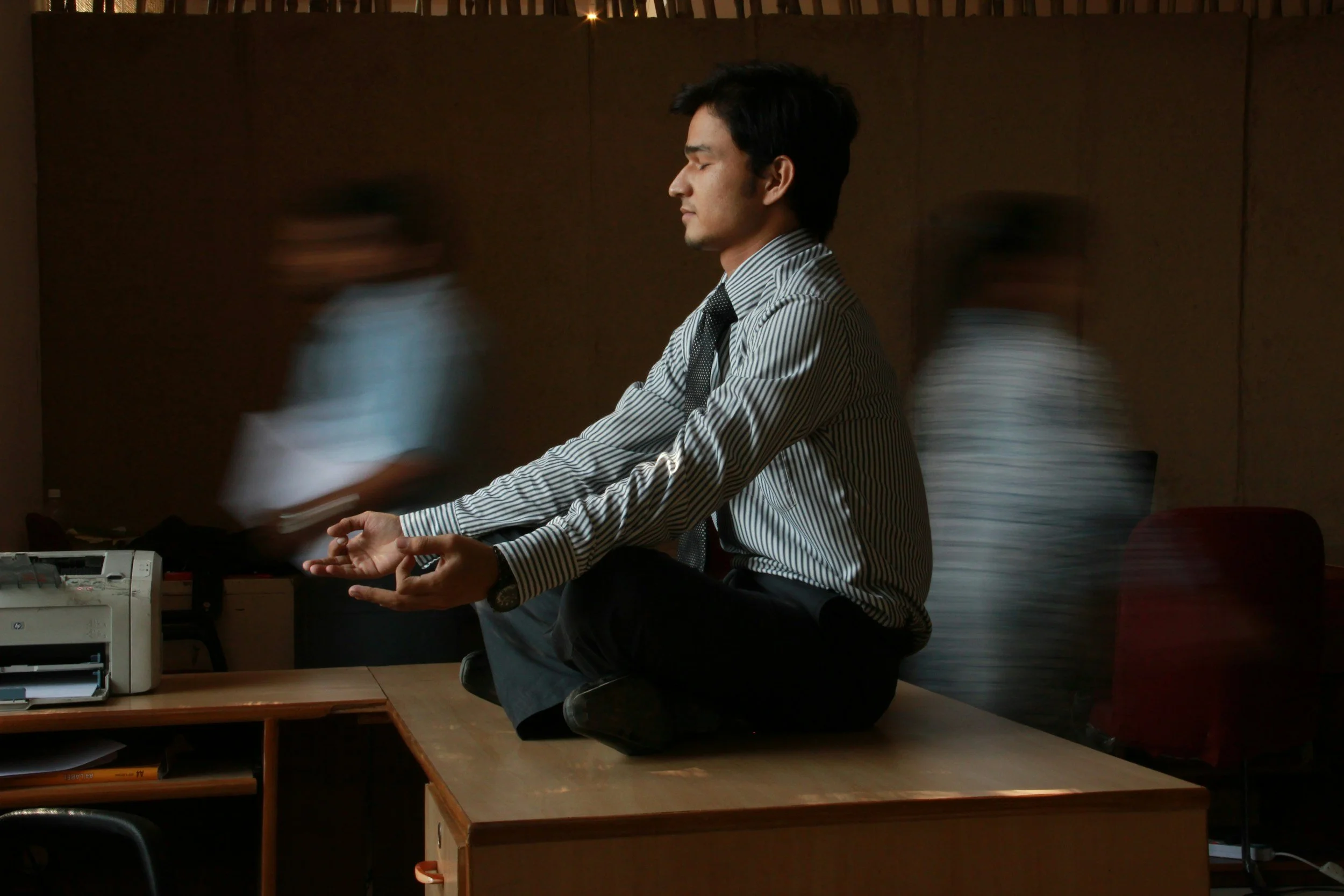
Mindfulness has become a popular tool in modern pain care—offered in apps, therapy rooms, and yoga studios alike. But for people living with chronic pain, it’s worth asking: What kinds of mindfulness-based interventions (MBIs) actually help—and how should they be structured to make a difference?
A major 2025 review published in the Journal of Psychosomatic Research sheds important light on these questions. The researchers set out to compare not just whether mindfulness works, but which types work best, how they should be delivered, and how much is enough.
What Was the Study?

This was a systematic review and network meta-analysis, which means it combined results from many high-quality randomized controlled trials (RCTs)—in this case, 68 trials involving 5,339 adults with chronic non-cancer pain. Studies were drawn from across the globe, though most were conducted in the US, China, and parts of Europe.
Participants in these trials had a range of long-standing pain conditions, excluding cancer or autoimmune conditions like arthritis. The review focused on three key outcomes:
Pain intensity
Physical function
Depression
Researchers compared nine different types of MBIs, including:
MBSR (Mindfulness-Based Stress Reduction)
MBCT (Mindfulness-Based Cognitive Therapy)
MORE (Mindfulness-Oriented Recovery Enhancement)
As well as smaller numbers of studies on programs like Mindful Self-Compassion (MSC), Mindfulness Meditation (MM), and Meditation Awareness Training (MAT)
They also evaluated the impact of dosage—how long the courses ran, how often they met, and how long each session lasted.
Key Findings: What Works, and How
1. Mindfulness is more effective than doing nothing
When compared with “inactive” control groups (e.g. waitlists, minimal education, or usual care), MBIs significantly improved all three outcomes: pain, function, and mood.
2. But MBIs don’t always outperform other active therapies
Compared to “active” controls (e.g. CBT, psychoeducation, physical therapy), the differences were less clear. MBIs didn’t show consistent superiority—but they held their own, suggesting they're a legitimate part of a broader, multimodal care plan.
3. MBSR and MBCT had the strongest evidence base
MBSR was the top-ranked intervention for reducing pain and depression, with moderate to high certainty of evidence.
MBCT also performed well across all outcomes, especially for individuals with co-existing low mood or unhelpful thinking patterns.
4. MORE showed the most benefit for physical function
MORE integrates mindfulness with cognitive and positive psychology techniques, such as reappraisal and savouring. These approaches may enhance engagement in daily activity, which could explain the larger improvements in functional outcomes—though the evidence here was less certain due to fewer studies.
5. There’s an ideal “dose” of mindfulness
The review found that the most effective structure was:
8 weeks long
1 session per week
90 to 120 minutes per session
This format led to the most consistent improvements. In contrast, more intense schedules (e.g. daily sessions or longer durations) did not produce greater benefit—and in some cases, may reduce engagement due to time demands.
Interestingly, a non-linear pattern emerged: benefits increased with total minutes up to a point (~750–1,000 minutes), then plateaued. This supports a “less is more” mindset when designing accessible, sustainable programs.
What About Quality and Limitations?
Only 13% of the included studies were rated as low risk of bias. Many had issues related to blinding, incomplete outcome reporting, or short follow-up periods (usually ending at program completion).
Additionally:
Most studies focused on MBSR or MBCT, meaning evidence for other formats is still limited.
Few trials included long-term follow-up, so we don’t yet know how durable the benefits are.
Adherence and home practice—a likely key ingredient in outcomes—were rarely reported.
Still, this review offers some of the clearest guidance to date on what works, and how best to deliver it.
What Does This Mean for You?

If you’re living with persistent pain and exploring mindfulness, this review suggests:
It’s not just about meditating more—it’s about doing it in a structured, supportive format, like MBSR or MBCT.
The type and dosage matter. Dropping into a random meditation app or trying daily 5-minute practices might help—but the evidence is strongest for group-based, 8-week programs.
Mindfulness can support pain relief, better functioning, and improved mood—as long as it's tailored and consistent.
For clinicians and allied health professionals, this study offers a valuable evidence base to guide recommendations, referrals, or program design. It also underscores the need for further research into the long-term sustainability and comparative impact of different mind–body approaches.
If you’re managing chronic pain and want to explore whether a structured mindfulness-based approach might be right for you submit a message or enquiry here.
Reference:
Zhu, M., Wong, S. Y., Zhong, C. C., Zeng, Y., Xie, L., Lee, E. K., Chung, V. C., & Sit, R. W. (2025). Which type and dosage of mindfulness-based interventions are most effective for chronic pain? A systematic review and network meta-analysis. Journal of Psychosomatic Research, 191, 112061. https://doi.org/10.1016/j.jpsychores.2025.112061