
Unpacking hEDS: New Research Highlights the Links Between Brain Blood Flow, Autonomic Dysfunction, and Nerve Pain
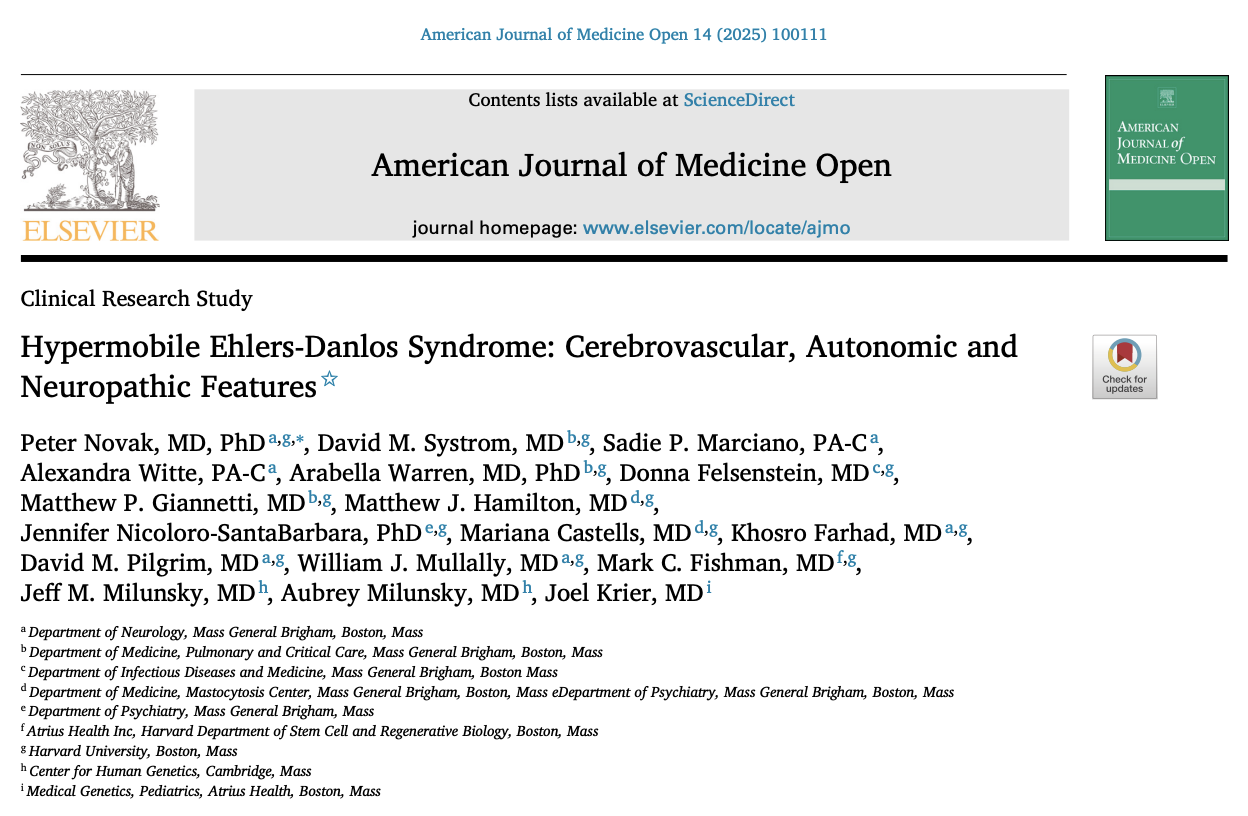
If you’re someone with hypermobile Ehlers-Danlos syndrome (hEDS) you already know the overwhelming complexity of the condition. While hEDS is characterised by joint hypermobility, chronic pain, and fatigue, its effects span multiple body systems. This recent retrospective study provided some valuable evidence to confirm the lived experience of many people with connective tissue disorders like hEDS. The study included 270 hEDS patients, and aimed to shed light on the often-challenging cerebrovascular, autonomic, and neuropathic features of the condition.
The findings revealed 98.1% of hEDS patients reported clinically significant autonomic symptoms. The most common complaints (affecting over 90% of patients) included issues related to orthostatic intolerance, sudomotor function (sweating/temperature), vasomotor function (blood vessel control), and gastrointestinal symptoms. Furthermore, pain was pervasive, with 88.8% of patients reporting a clinically significant pain score, often manifesting as aching or prickling pain.
A Focus on Brain Blood Flow
One of the most significant conclusions drawn from the study concerns cerebrovascular dysregulation - an emerging central pathological process in many chronic invisible illnesses. The study showed that the rate of cerebral blood flow velocity (CBFv) to the brain when upright was reduced in nearly 79% of hEDS patients. This reduction in orthostatic CBFv was strongly associated with symptoms of orthostatic lightheadedness and dizziness, suggesting that many hEDS symptoms stem from cerebral hypoperfusion (reduced blood flow to the brain).
Specific diagnostic patterns related to orthostatic intolerance were identified during testing:
Postural Tachycardia Syndrome (POTS) was detected in 32.6% of patients.
Hypocapnic cerebral hypoperfusion (reduced CBFv often related to low CO2) was found in 21.5%.
Orthostatic Cerebral Hypoperfusion Syndrome (OCHOS) occurred in 18.1%.
Neurogenic orthostatic hypotension (a marker of more severe sympathetic nerve failure) was present in 8.9%.
Autonomic Nerves and Small Fiber Neuropathy
The study also confirmed a high prevalence of nerve involvement. Widespread but mild autonomic failure (dysautonomia) was detected in 90% of the hEDS patients studied. This failure often simultaneously affected multiple domains, including parasympathetic, adrenergic (sympathetic), and sudomotor functions (sweat gland activity).
Crucially, Small Fiber Neuropathy (SFN), which is damage to the tiny nerves that regulate pain and autonomic function, was highly common. When combining symptoms with structural or functional criteria, SFN was detected in 82% of patients. The sources suggest that SFN may represent a physical, peripheral mechanism underlying both the autonomic failure and chronic neuropathic pain experienced in hEDS.
The Takeaway
These findings offer crucial insights, shifting the focus from simply managing symptoms to understanding underlying physiological mechanisms. The authors conclude that cerebrovascular dysregulation, which contributes to cerebral hypoperfusion, represents a potentially modifiable treatment target that could lead to improved quality of life for affected individuals. While further pharmacological investigation is needed, this research provides a clearer roadmap for addressing the multi-system challenges of hEDS.